Nigeria emergency response: When the patients are the true heroes

When measles breaks out in northern Nigeria, the MSF emergency response team must act fast to vaccinate as many children as possible. That's not easy in a part of the country where the presence of armed groups makes it hard for people to access to healthcare.
But, as Dr Shafaatu Abdulkadir explains, her team is committed to going the extra mile for patients who risk everything.
“How quickly you respond to an outbreak can make all the difference. When it starts, it's like you have an hourglass and the sand is moving very fast. If you don't intervene early enough, the damage becomes so large that it gets beyond your scope to deal with.
Measles is a highly contagious viral disease and one of the leading causes of death among young children. A safe and effective vaccine has existed since the 1960s but outbreaks still occur due to ineffective or insufficient immunisation programmes.
Reaching the hardest to reach
In July, cases of measles started to rise in Zurmi, in northern Nigeria. Almost every year there is an outbreak worse than the last. Emergency response can be about prevention, but this time we knew we needed a reactive vaccination campaign to this live outbreak.
In the Nigeria Emergency Response Team, we're like fire extinguishers. Wherever emergencies flare up, we try to get there quickly and put the flames out.
The insecurity in the north of the country is a major concern, with the presence of armed groups severely restricting movement and access to health services. Many communities are effectively cut off, and I couldn’t stop thinking about the children in these isolated villages where even a short journey to seek care can mean crossing dangerous terrain or active conflict zones. These children needed to be vaccinated for measles too.

“Everything's possible for that child because of their mother’s courage”
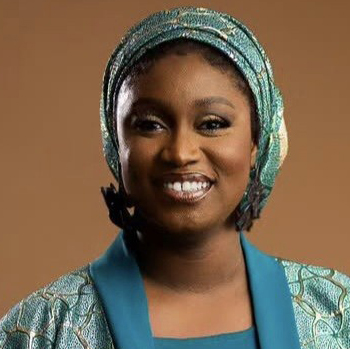
Dr Shafaatu Abdulkadir | Medical activity manager
We have a fixed team and a mobile team who take the vaccines to the more remote or dangerous places. But even when you try to make vaccines accessible, some mothers still have to travel vast distances. Some of them have to take complicated journeys, with part of it on foot, then bike to take them to the next location, and the next.
These women are courageous; they might be travelling through areas filled with bandits and they've risked it to come. It's not easy to make such a decision in a part of the country that mostly doesn't give women a say. But we’re providing free, good quality healthcare, so no matter how far away we are many mothers decide to come.
Sometimes you’ll see one woman with maybe 10 children. They’re not all hers – she’s bringing the children of her neighbour who’s sick – but she knows all their information. Everyone gets involved and their efforts make it possible for us to get the level of vaccine coverage we’re aiming for.
These women deserve flowers; when we see the lengths they go to, we know we have to go the extra mile too. We're going to do what is possible. Everything's possible for that child because of their mother’s courage.
In the end, we were able to achieve 104 percent coverage: way above our own target, so we were very happy.

Working together to save lives
Behind the numbers, it’s the people who stay with you. As a Nigerian from northern Nigeria myself, it’s heart-warming for me when people find ways to say ‘thank you’.
I remember having a conversation with a woman whose child was very sick with both measles and malnutrition, but our team was able to help. Before, she had very little hope, but our emergency team being there meant her child survived. You could see how emotional she was.
For the families who we’ve treated, MSF is really important. They often become like ambassadors for the organisation, encouraging other people in their communities to come for healthcare when they might not have considered it before.
The local community plays a huge role in helping us respond to emergencies as quickly as we do. Together we make a real difference.”