Natural Disasters
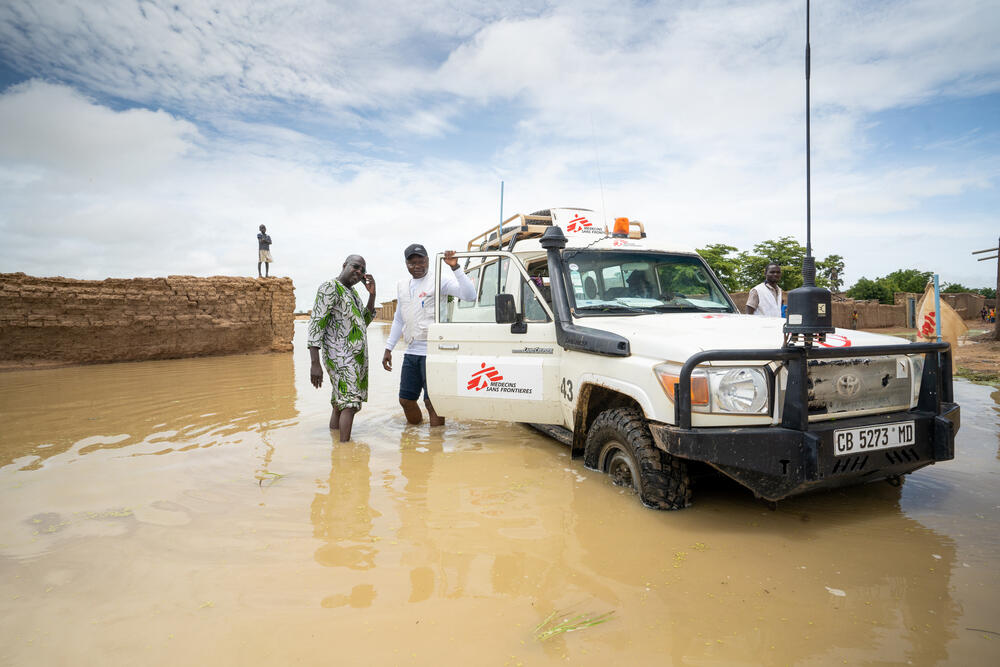
Since 1971, MSF teams have taken life-saving emergency action in many of the most devastating events to hit the headlines.
Within a matter of minutes, catastrophic events such as earthquakes, cyclones or tsunamis can overwhelm entire communities, cities or regions within minutes.
Hundreds and even thousands of people may be killed, and many more traumatised by the loss of family, friends and homes. However, while the disaster may occur in moments, the humanitarian consequences may last for months and even years.
Clean water, healthcare and transport are also often casualties in these disasters. Rapid medical care and coordinated emergency response are vital to protect survivors.
Natural disasters: Latest news and stories


How does MSF respond to a natural disaster?
Because we already run projects in over 70 countries around the world, we often have aid workers nearby when a natural disaster strikes. They are supported by ‘Emergency Teams’, who are experts at doing quick assessments and organising the immediate response.
Medical and logistical supplies, in the form of pre-packaged kits ready for rapid deployment, are stored in warehouses in key locations worldwide.
A major natural disaster can damage or destroy existing hospitals and healthcare clinics, while an influx of survivors may overwhelm those still able to treat patients.
MSF field hospitals – including mobile operating theatres – may need to be deployed to support struggling facilities, while shipments of medical supplies and the arrival of generators and water trucks can keep critical services running until rehabilitation work can begin.
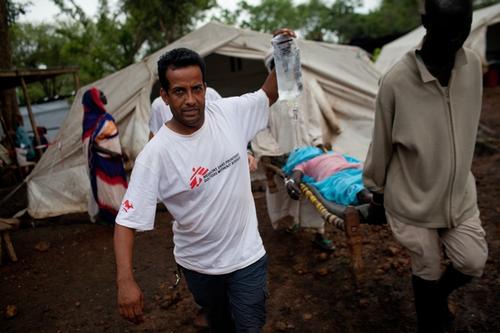
The search for shelter can lead huge numbers of survivors towards crowded camps and shelters.
Here, with access to healthcare services limited, infectious diseases such as measles or respiratory infections can spike. At the same time, patients previously receiving care for long-term conditions like diabetes or hypertension may deteriorate without regular and reliable medication and care.
MSF mobile clinic teams will work to reach displaced people where they are, providing treatment and referrals for the most widespread conditions.
In a catastrophic event such as an earthquake, the number of people requiring emergency medical care can be staggering.
Our initial response may include trauma care for patients with life-threatening ‘crush injuries’ or urgent surgical interventions.
We may also dispatch mobile clinic teams to reach communities in severely impacted areas that would otherwise be cut off from care. And, after such a traumatic event, the mental health needs of survivors can be complex and severe.
Where MSF is not already operating in the area, we can deploy emergency ‘explo teams’ within hours.
Vital public infrastructure may be damaged or completely compromised, shutting people off from clean water and functioning toilets.
MSF water and sanitation specialists can get to work trucking in fresh supplies for thousands of people at once, establishing latrines or managing waste, all to avoid the spread of disease.
In events such as tsunamis or major tropical storms, a landscape transformed by water can be particularly high-risk – leading to an explosion in mosquito-borne disease, while cholera outbreaks can quickly begin from contaminated water.
Emergency funding
Our ability to launch an emergency response to a natural disaster is built on the incredible support of our donors and the trust that we will go where the need is greatest.
MSF’s transparent funding model relies on unrestricted donations, money given directly to our general funds. This gives us unrivalled independence.
When we do solicit funds from the public specifically for a single crisis, such as a natural disaster, we take the decision very seriously.
We cautiously assess the often chaotic situation on the ground, our operational budget and the interests of our supporters and the wider public. We then carefully ensure that their funds will always be spent in a responsible, effective and innovative way.
Accountability is essential, especially in an emergency.