Ebola: Cases continue to climb as WHO Director General visits DRC
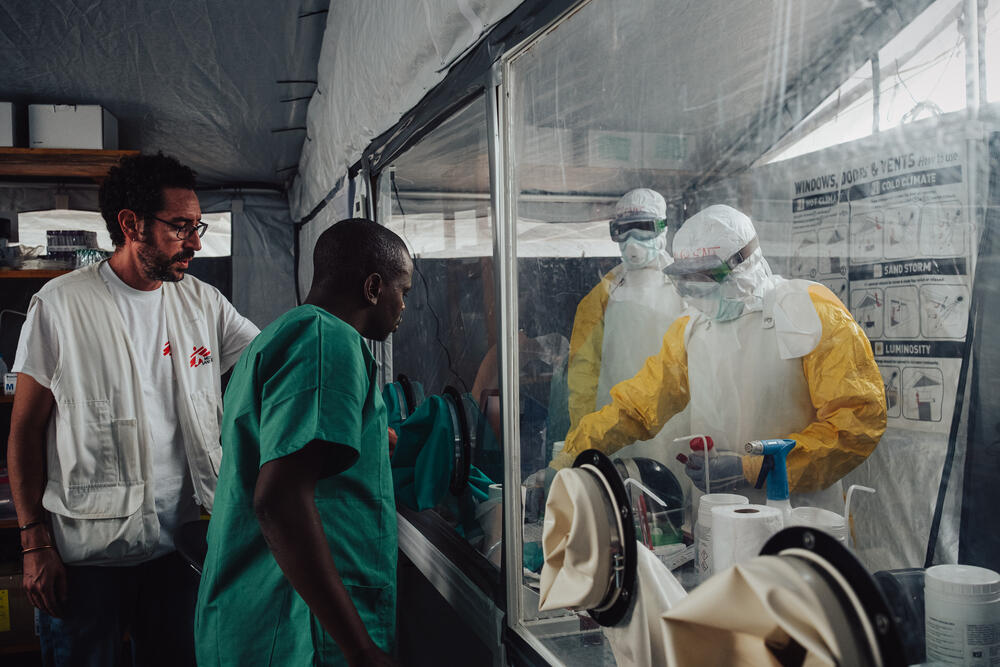
Dr Philippa Boulle, deputy medical director for Médecins Sans Frontières (MSF), provides a statement on the occasion of Dr Tedros Adhanom Ghebreyesus’, Director-General of the World Health Organization (WHO), high-level visit to Democratic Republic of Congo (DRC).
“Two and a half months after the Ebola disease outbreak was declared, the situation in eastern Democratic Republic of the Congo (DRC) is more critical than ever. The outbreak is spreading at an alarming and unprecedented rate despite the tireless efforts of frontline medical teams.
According to the WHO, 3,605 confirmed cases had been reported by August 1st, making this the largest Ebola outbreak ever recorded in the DRC, surpassing the 2018 epidemic. In just 11 weeks since it was declared, nearly 1,500 people had died. That is a far higher death toll than in comparable periods of previous outbreaks: the devastating 2014 Ebola outbreak in West Africa caused 279 deaths over the same timeframe.
Even more concerning, the outbreak shows no sign of slowing down. New suspected cases are being reported almost daily in new locations, outside already identified transmission chains. To prevent further loss of life, the response must outpace the current rate of transmission. The international medical response must scale-up without delay, and many critical gaps still need to be addressed.
Undeniable progress has been made in screening and contact tracing, but these efforts remain very insufficient to contain the epidemic. In the MSF Ebola treatment center (ETC) in Bunia, 90% of admitted patients were not traced contacts, while in the whole of Ituri province only 59% of contacts were traced. There is an urgent need for improved community engagement.
A successful response can only be achieved if it is built with and led by local actors. Without communities at the centre of the response, surveillance and contact tracing will continue to miss cases. Better integration of local communities is essential to ensure cases are detected as early as possible and followed up rigorously.
This outbreak is aggravating an ongoing humanitarian crisis. Malaria, measles, cholera, malnutrition, and other preventable and treatable conditions continue to cause significant illness and death. Continued support for health facilities is also critical so they can keep providing vital healthcare services throughout the response and protect health workers.
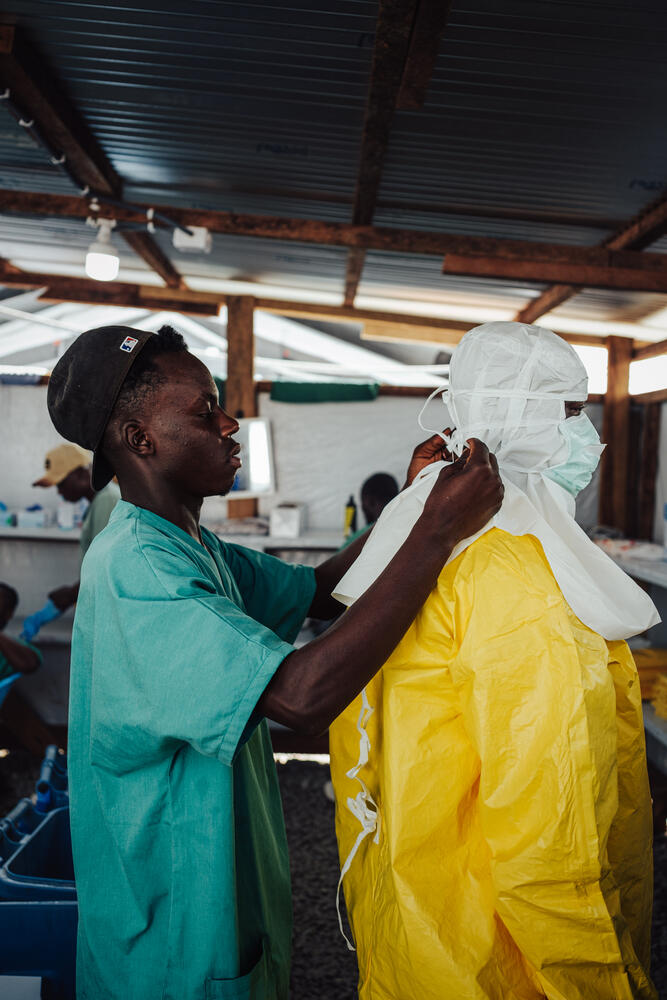
Access remains a critical issue, particularly in remote areas where the onset of the rainy season will make movement difficult and risk disrupting operations. Providing medical supplies, as well as incentives and support for frontline health workers, is essential. Clear assurances are needed that border restrictions, sanitary measures, or administrative burdens will not impede humanitarian staff rotations, medical referrals, or the delivery of supplies. For now, the situation remains uncertain.
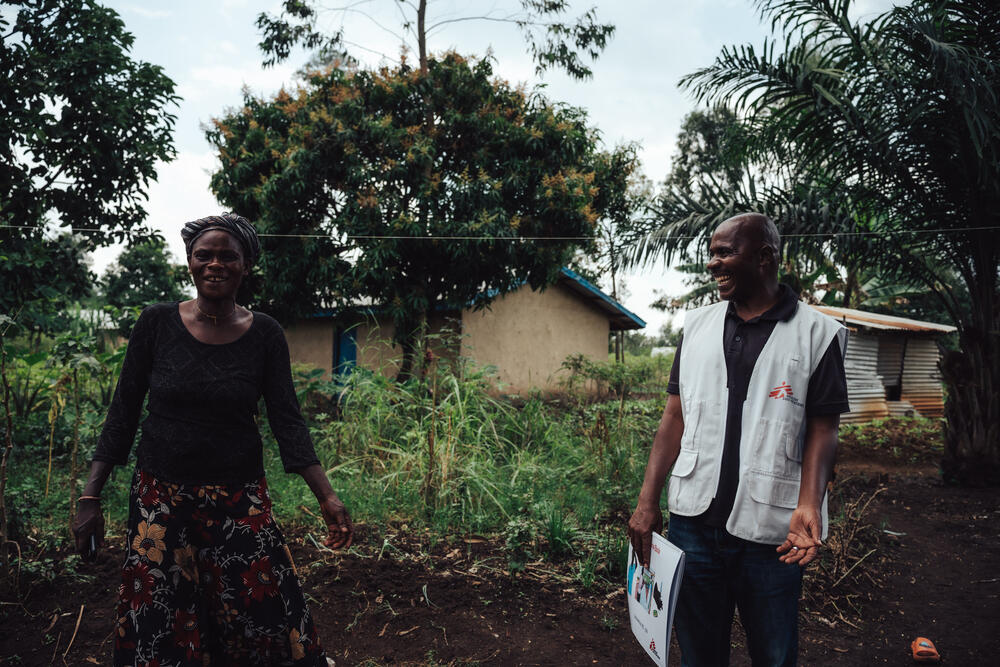
Strengthening epidemiological surveillance, improving community engagement, and guaranteeing access for humanitarian personnel are top priorities.
The response is expanding but is still not reaching communities quickly enough to break transmission chains. Immediate action is needed. Every day lost allows the virus to stay one step ahead and more lives to be needlessly lost.”
How Is MSF Responding?
More than 1,400 MSF staff members are currently mobilized in the Ebola virus disease outbreak response in eastern DRC. MSF operates seven Ebola treatment centres (ETCs) and more than 15 isolation units in Ituri, North Kivu, South Kivu, and Tshopo, with a total capacity of more than 480 beds. Since the start of the outbreak, our teams have admitted more than 1,362 patients, including 554 confirmed cases, and supported the recovery of 282 survivors following their treatment and care. MSF supports the Ministry of Health in surveillance and screening activities, community mobilization, training, and efforts to ensure safe access to other essential health services. We also continue to provide primary and secondary health care in several provinces of the country.