Sudan: “Our teams are stretched to the limit”

“Sudan is one of the biggest humanitarian crises in the world today. The war, which started in April 2023, has triggered the world's largest displacement crisis, forcing over 12 million people to flee their homes. The health system has collapsed, with many hospitals and clinics non-functional due to insecurity and critical shortages of staff and supplies. "
As a Project Coordinator with MSF in Sudan, John Canty saw the effects of this lack of access to healthcare firsthand. He was responsible for coordinating the activities of MSF teams in the Jebel Marra mountains of South Darfur, where the local population is growing as displaced people seek safety. MSF runs six healthcare clinics spread throughout the mountains. The highest is 2,500 metres above sea level and the lack of roads means that patients, staff and supplies get around by donkey and camel.
"One day, a community leader arrived at the most remote clinic in the mountains. He had travelled two days by donkey with a dire message. A measles outbreak had claimed numerous lives in his village and people were still getting sick."


Could MSF help?
The team moved quickly. After making sure it was safe to travel, they loaded up the camels and donkeys with medical supplies and provisions. A team of MSF doctors, nurses and health promoters made the long journey to the epicentre of the outbreak. On arriving, the team went house to house to check all the children for measles and start treatment. Once cases were brought under control, the staff continued to other villages in the area.
By the time John left six weeks later, MSF had treated over 3,000 cases. Many were unvaccinated children under five. Many children had missed vaccinations due to the fighting, so MSF ran a measles vaccination campaign in collaboration with the Ministry of Health. It achieved very strong coverage and undoubtedly saved lives. It was a very positive outcome.
While in Sudan, he received many visits from community leaders, asking MSF to open a healthcare facility closer to them, or to provide medical supplies. John would meet with everyone; they want to make sure our services are available to everyone who needs them. But the number of visitors making these journeys to them shows the level of health needs in South Darfur, and our teams are stretched to the limit.
"We are very lucky to have an extraordinary, dedicated and resilient local team in Sudan. They and their families are going through the same difficulties that people across Sudan are facing. At the start of January, there was an escalation in airstrikes in Nyala, the main city in South Darfur. For almost three weeks, our colleagues had almost no way of communicating with their families there during the bombing. To go through that was very difficult, while continuing to provide the vital services needed in the communities where we worked. We never paused our activities, thanks to the great work of our local colleagues. "
John Canty, Project Coordinator
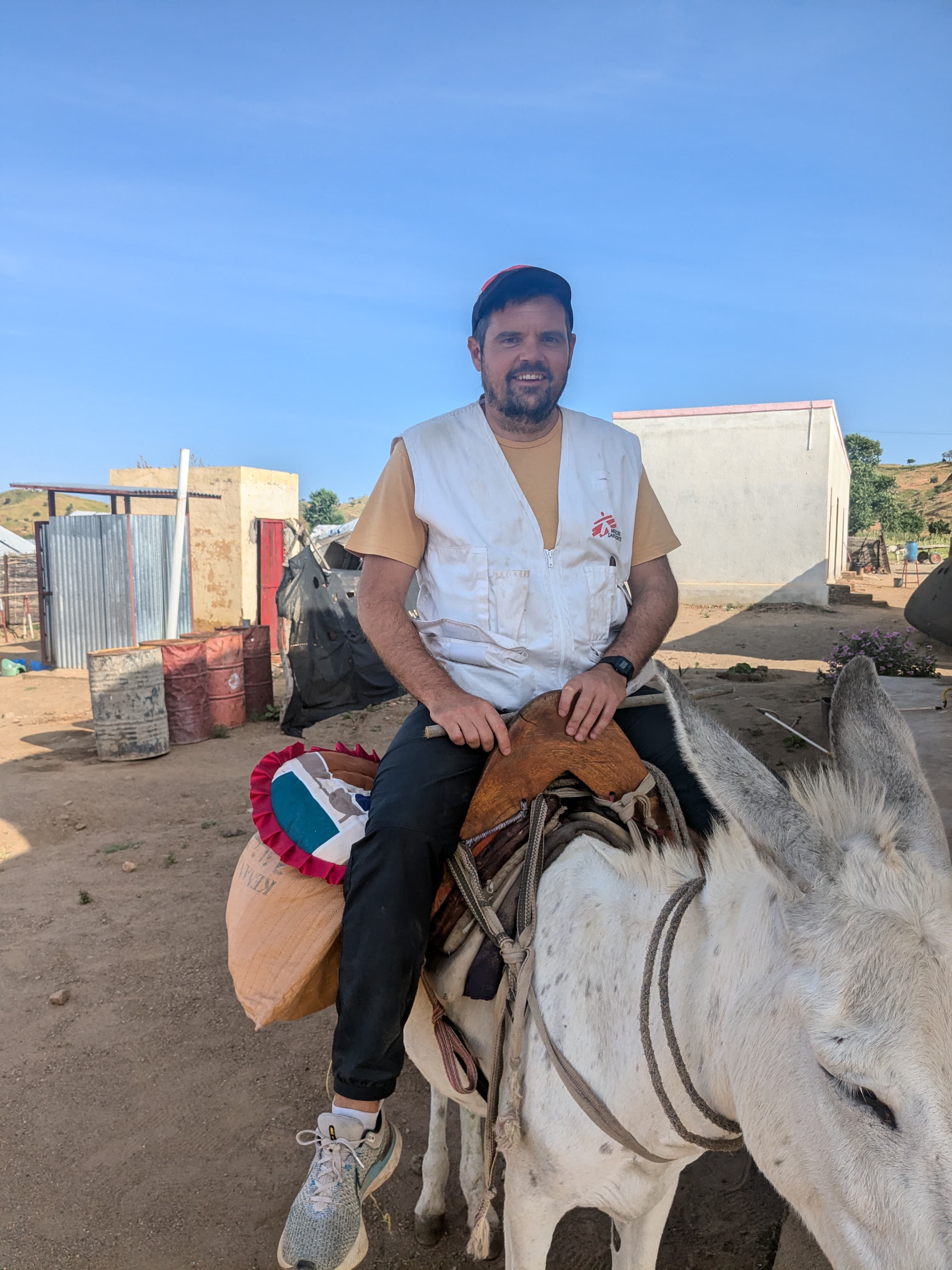
John says it sometimes feels like Sudan's conflict is largely forgotten, with little international funding or response to the humanitarian crisis. "At times, I felt frustrated we were unable to do more, when I think of those many visitors who made long journeys to our office, just to ask for more healthcare for their communities."
Despite the difficulties, John feels he left Sudan inspired by the work MSF continues to do in Darfur and across the country. "The ingenuity and innovation of some of the programmes is extraordinary, and MSF teams are providing an enormous level of healthcare services, bringing in supplies and supporting communities in real need."