Venezuela: in the earthquake aftermath, mental health care becomes a vital necessity
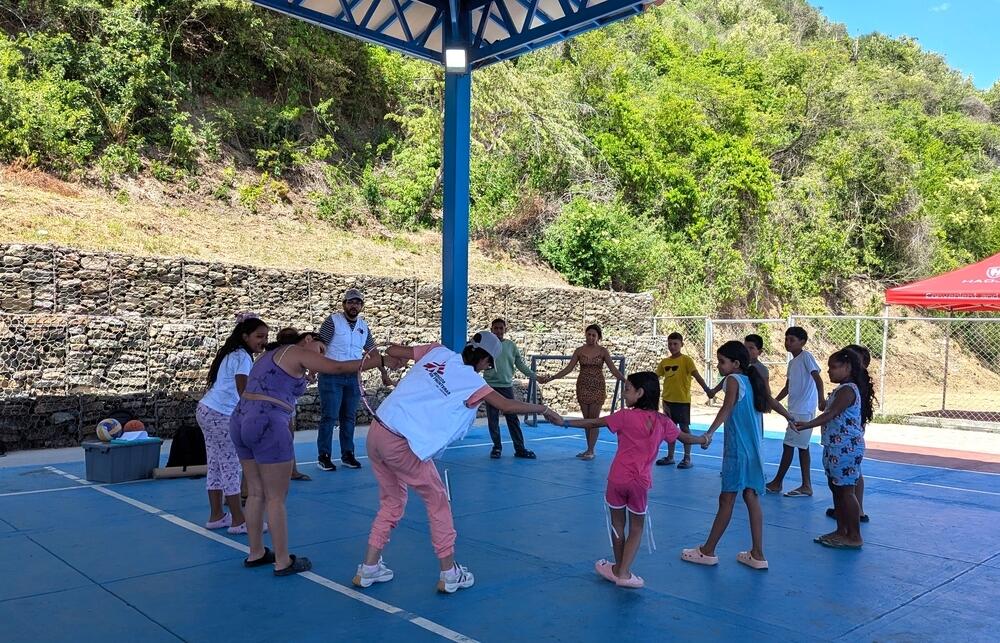
Natalia Tapiero, a Médecins Sans Frontières (MSF) psychologist, has spent one month providing mental health care at the La Guaira morgue, where thousands of families arrive searching for loved ones missing after the earthquakes.
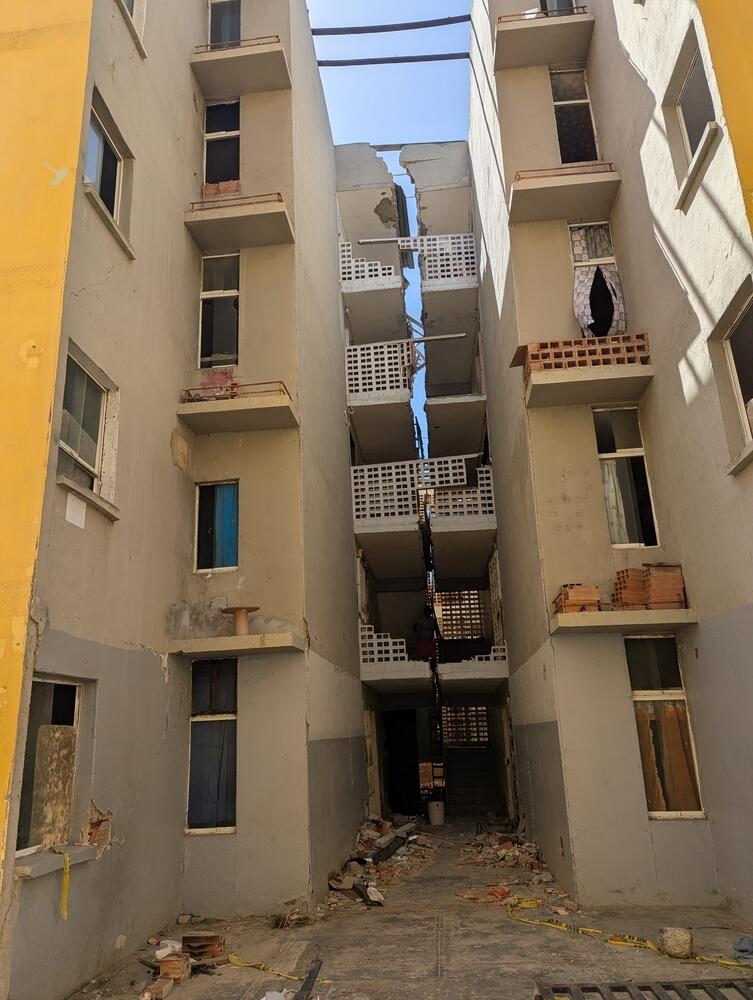
I arrived in Venezuela on a plane where more than half of the passengers were international and humanitarian aid personnel: from rescuers and firefighters to psychologists and nurses. The arrival was deeply shocking. It is one thing to see the images on television or social media, and a very different thing to live it: you feel tiny in front of a town turned to ruins.
During my first tour of the La Guaira area, I was moved by the absolute silence of hundreds of people whenever a rescuer raised their fist—a universal signal to shut off engines and stay quiet in the hope of hearing any sign of life under the rubble. That mix of hope and despair marked my beginning here.
During those initial rounds, we identified that a point with immense needs was the port, which had been converted into a morgue. In La Guaira, the morgues collapsed, so the port was designated as the location to receive the deceased. It is a very contradictory place: on one side, the vast, blue sea meeting the sky; and on the other, tents housing the most painful images imaginable.
Here, families must go through a very difficult photo-identification process. They look at many photos of bodies on two TV screens (one for men and one for women) and tablets (for children) to find their loved ones. They are exposed to viewing photos of injured or mutilated bodies, or simple fragments that are often only recognized by a tattoo, an item of clothing, or a pair of flip-flops.
I have continuously witnessed what we psychologists call functional dissociation: people who store their pain in a corner so they can handle practical procedures, postponing their grief until they find their relatives. There are others who arrive with evident devastation, and there are also those who have returned to the country solely for this search. A young woman, after identifying her parents, told me with absolute sadness: “I came for them, but after this, I definitely have no reason left to return to this country.”
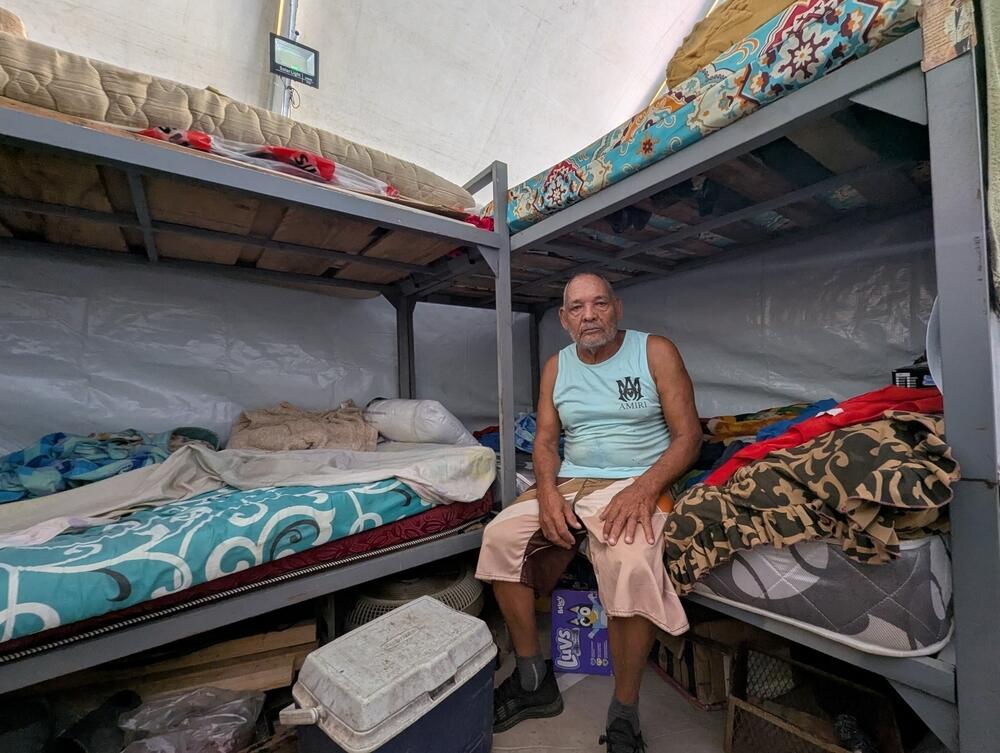
Daily Work
Family by family, we provide support before, during, and after the identification process. We offer psychological first aid, self-care messages, and psychoeducation to normalize symptoms. We teach those accompanying them (relatives, neighbors, friends) how to support emotional reactions, because many do not know what to do or say when the other person is overwhelmed. We have seen that the emotional impact is severe: acute stress, nightmares, and sensory flashbacks so vivid that people feel the earth is still shaking.
In our consultations, we have worked on stress management with groups of forensic staff, students who had to do their professional internships in the middle of this catastrophe, and even with priests whose mental health was affected. These past few days, I sat with three priests who were overwhelmed; they themselves experienced the earthquakes inside their church, praying under marble while everything fell around them, and now they must attend to funeral masses without rest. Everyone here is at their limit.
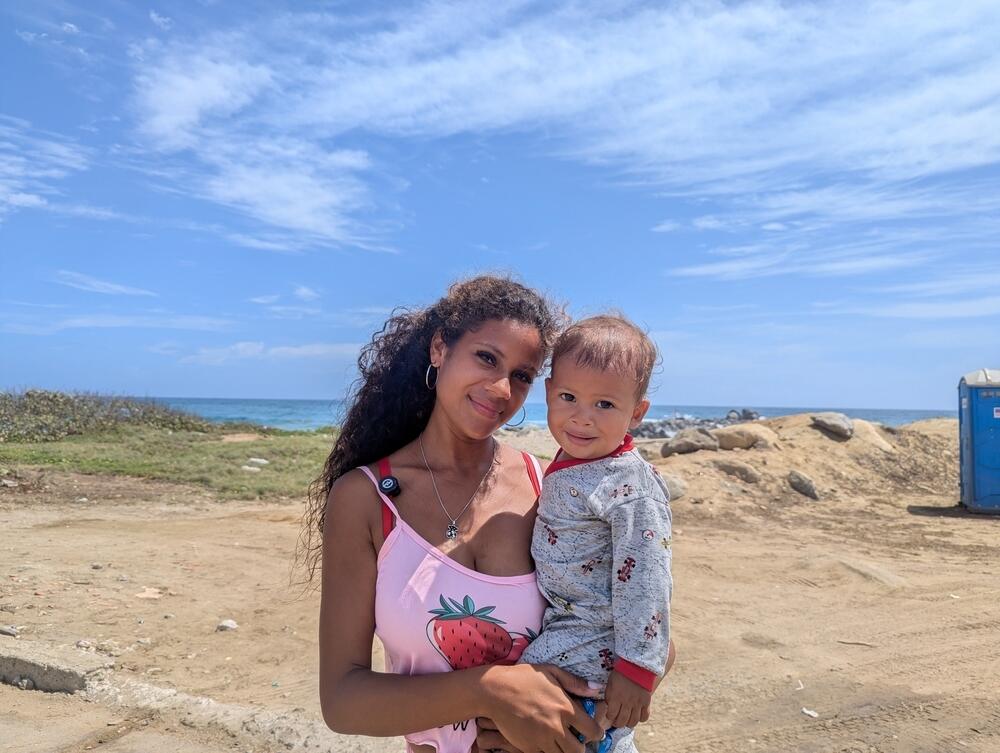
There are other cases that have impacted me deeply, mostly because of the heavy burden of guilt people carry. A 24-year-old mother told me that she found her daughter, just one year old, after fifteen days of searching. The expression on the child's face showed that she had suffered a lot, and the mother could not forgive herself for that. A woman also told me that she found her 20-year-old nephew, whom she raised like a son, with a mutilation that was very painful to look at.
In the midst of this horror, I have also been surprised by the solidarity and hope. Despite having lost everything, there are even people who worry about me. At the morgue, the very families who are distributing food tell me: “Doctor, eat something, take this,” sharing the little they have. It is a level of resilience that makes me admire them deeply. Like a woman who dug with her own hands for 27 days to pull her mother out of a collapsed building, driven by the need to give her a dignified grieving process.
Continuity of care is also urgent
We have to find a way to guarantee the continuity of mental health care. Not only for those who are experiencing this acute trauma right now, but also for those who had pre-existing conditions and have seen their treatments interrupted. In La Guaira, many psychiatrists and psychologists died during the earthquakes, and those who survived are responding to the emergency. So, I have met patients who, even though they have their psychotropic medications, have no one to accompany them.
Mental health is not a luxury, especially during a catastrophe; it is a basic necessity. Support must be sustained to alleviate the suffering of those who have lost even the sense of safety in their own homes.
Help us prepare for the next emergency
MSF teams are on the ground repsonding to the urgent needs of people caught up in wars, epidemics and natural disasters all around the world.
Your support means when the next crisis hits, we're already there.